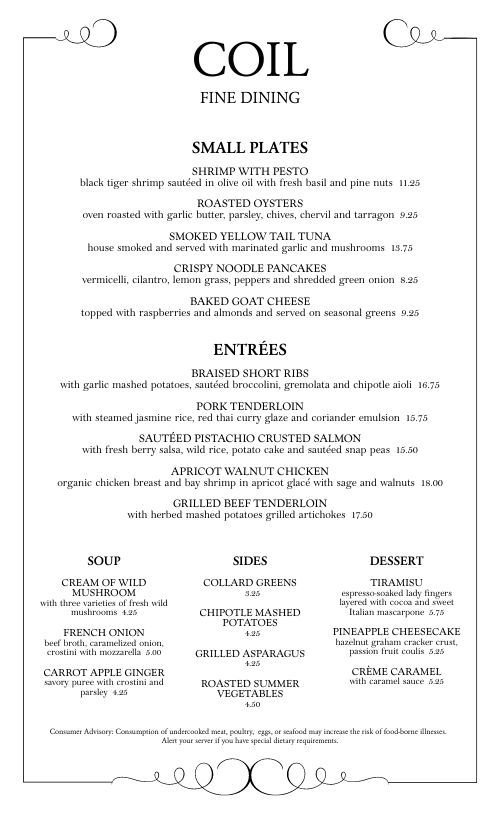
San Diego's culinary landscape has blossomed into a destination for discerning palates, and at the heart of this evolution lies the fine dining San Diego tasting menu. This isn't merely a meal; it's an curated journey, an intimate conversation between chef and diner, designed to showcase the pinnacle of a restaurant's philosophy and prowess. Choosing a tasting menu means surrendering to the chef's vision, anticipating each meticulously crafted course as part of a larger, harmonious narrative.
At a Glance: Your Tasting Menu Blueprint
- Epicurean Narrative: Understand the tasting menu as a chef's storytelling through courses.
- Michelin Distinction: Focus on starred restaurants for the most elevated experiences.
- Choosing Your Adventure: Align your budget, palate, and occasion with the right menu style.
- Preparation is Key: Reserve early, communicate dietary needs, and plan for a multi-hour event.
- Beyond the Plate: Appreciate the service, ambiance, and beverage pairings as integral components.
- Omakase Specialization: Recognize omakase as a distinct, chef-led Japanese tasting menu format.
Why a Tasting Menu? Unpacking the Epicurean Journey
Opting for a tasting menu over à la carte is a deliberate choice for discovery and immersion. It’s an opportunity to experience a chef's full artistic range, a progression of flavors, textures, and aromas meticulously designed to build upon one another. You're not just ordering food; you're embarking on a guided tour of seasonal ingredients, innovative techniques, and thoughtful presentations. Each dish serves as a chapter, contributing to a cohesive gastronomic story that traditional dining often can’t achieve.
This approach allows chefs to highlight rare ingredients, experiment with ambitious flavor combinations, and push creative boundaries, all while ensuring a balanced and memorable dining experience for the guest. It's a commitment to culinary excellence, promising an evening of sensory delights that extends far beyond simple sustenance. For a broader look at the city's culinary landscape, you can explore the San Diego Michelin Guide, which showcases the full spectrum of high-caliber dining establishments.
Deciphering San Diego's Tasting Menu Landscape
San Diego's fine dining scene offers a rich tapestry of tasting menu experiences, particularly among its Michelin-recognized establishments. These restaurants stand out for their commitment to quality, creativity, and impeccable service, often making their tasting menus the definitive way to experience their culinary identity.
Michelin-Starred Experiences: The Pinnacle of Precision
When considering a fine dining San Diego tasting menu, the Michelin stars offer a clear indicator of exceptional quality and a truly immersive experience. These establishments craft menus that are not just meals, but performances.
- Addison (3 Stars): Located within the Fairmont Grand Del Mar, Addison is the epitome of fine dining in San Diego. Under Chef William Bradley, the tasting menu here is a masterclass in contemporary cuisine, emphasizing meticulous detail and the finest ingredients. Expect a multi-course journey that might feature dishes like local seafood kissed with a delicate sauce, perfectly seared meats, or innovative vegetable preparations, all presented with breathtaking artistry. Each dish is a testament to Bradley’s consistent pursuit of perfection, evolving seasonally while maintaining a signature elegance.
- Soichi (1 Star): Chef Soichi Kadoya leads this San Diego gem, specializing in omakase – a Japanese tasting menu where the chef entirely dictates the selection. This style of dining is deeply personal, with Soichi focusing on a balance of flavors, textures, and temperatures. Guests might encounter exquisite preparations of Hokkaido pike mackerel, rich Spanish bluefin tuna, a warming shirumono fish soup, and homemade green tea ice cream to conclude. The experience is enhanced by omotenashi, traditional Japanese hospitality, making it a profound culinary and cultural journey.
- Jeune et Jolie (1 Star): While located slightly north in Carlsbad, Jeune et Jolie is another Michelin-starred destination renowned for its French chef’s menu. This seasonal offering champions fresh ingredients and innovative pairings, such as sea bass with a delicate vanilla sauce. The impeccable service and ever-changing menu ensure a consistently fresh and exciting experience for repeat visitors.
Other Noteworthy Contenders: Beyond the Stars
Beyond the starred establishments, several other Michelin-recognized restaurants in and around San Diego offer structured multi-course menus that deliver a tasting menu-like experience, showcasing their culinary distinctiveness.
- Valle (Michelin Recognized): Situated near Oceanside Pier, Valle provides a four-course modern Mexican meal that celebrates Baja California's vibrant culinary heritage. This thoughtful menu offers a deep dive into regional flavors and ingredients, presented with contemporary flair.
- Juniper & Ivy (Michelin Recognized): This Californian restaurant in San Diego, known for its dynamic and ingredient-driven cuisine, often features multi-course options that allow guests to explore their inventive menu. Their curated wine list with expert pairings further elevates the experience.
- A.R. Valentien (Michelin Recognized): Located in La Jolla, A.R. Valentien offers a contemporary American menu that frequently includes prix fixe or multi-course options showcasing local, seasonal produce.
- Nine-Ten (Michelin Recognized): Also in La Jolla, Nine-Ten is another contemporary establishment that excels in crafting sophisticated, ingredient-focused dishes, often available in a tasting menu format.
These establishments, while not always explicitly called "tasting menus" in their description, provide a similar journey of discovery through a chef's curated selection, making them excellent choices for an elevated dining experience.
Navigating Your Tasting Menu Selection: A Strategic Approach
Choosing the right fine dining San Diego tasting menu involves more than just picking a restaurant; it’s about aligning the experience with your expectations, preferences, and occasion.
Budget Considerations: Understanding the Investment
Tasting menus, especially at Michelin-starred venues, represent a significant investment. Prices can range from $150 to $400+ per person, often excluding beverages, tax, and gratuity.
- Stars vs. Recognized: Generally, a three-star tasting menu (like Addison's) will be the most expensive, reflecting the unparalleled ingredients, elaborate preparation, and extensive service. One-star restaurants (like Soichi) offer a similarly high-quality experience at a slightly lower price point.
- Optional Pairings: Beverage pairings (wine, sake, or non-alcoholic) are almost always offered as an add-on and can significantly increase the total cost, often matching or exceeding the menu price itself. Factor this into your budget upfront.
Culinary Preference: What Kind of Journey Do You Seek?
San Diego offers diverse culinary journeys. Consider what excites your palate:
- Contemporary/Californian: Addison, Juniper & Ivy, A.R. Valentien, Nine-Ten. These menus often feature local, seasonal produce and innovative techniques.
- Japanese/Omakase: Soichi. Expect a focus on sushi and sashimi, with delicate preparations and traditional hospitality.
- French: Jeune et Jolie (Carlsbad). Classic techniques, rich flavors, and refined presentations.
- Modern Mexican: Valle (Oceanside). A celebration of Baja California's flavors with a contemporary twist.
- Vietnamese/French: Kingfisher. A unique fusion that might offer a distinctive multi-course experience.
Occasion Matters: Matching the Menu to the Moment
Is it a romantic anniversary, a special birthday, or an adventurous foodie outing?
- Grand Celebrations: For monumental occasions, a three-star experience like Addison offers unparalleled opulence and an unforgettable memory.
- Intimate & Refined: A one-star omakase at Soichi is perfect for a deep dive into specific cuisine with a focus on connection and craftsmanship.
- Exploratory & Dynamic: Juniper & Ivy or A.R. Valentien might suit those looking for innovation and seasonal surprises in a slightly less formal but still elevated setting.
Dietary Restrictions: Communication is Crucial
Almost all fine dining establishments can accommodate dietary restrictions, but advance notice is paramount.
- Be Specific: When booking, clearly state any allergies (e.g., shellfish, nuts, gluten), dietary preferences (vegetarian, vegan), or aversions.
- Reconfirm: It’s wise to reconfirm these details when the restaurant calls to confirm your reservation, or upon arrival.
- Flexibility: Understand that a tasting menu is a fixed progression. While substitutions for allergies are standard, extensive changes for strong preferences might alter the chef's intended narrative.
Wine and Beverage Pairings: Enhancing the Experience
The decision to add a beverage pairing is a key part of the fine dining San Diego tasting menu experience.
- Expertly Curated: Pairings are typically crafted by a sommelier to complement and enhance each course, introducing you to wines or sakes you might not discover otherwise.
- Value Proposition: While adding cost, a well-executed pairing can elevate the meal, revealing new dimensions in both food and drink. It's often where the full synergy of the dining experience comes alive.
- Alternative Options: Many restaurants offer non-alcoholic pairings, featuring creative juices, teas, or infusions for those who prefer not to drink alcohol.
The Anatomy of a Tasting Menu Experience
A tasting menu is more than just a sequence of dishes; it's a meticulously choreographed event designed to engage all senses and unfold over several hours.
Pacing and Service: A Rhythmic Unfolding
Expect a leisurely pace, typically spanning 2.5 to 4 hours, depending on the number of courses and the restaurant's style.
- Synchronized Service: The service staff operates with precision, timing each course's arrival, explaining the dish, and attending to your needs seamlessly. This choreography is a hallmark of fine dining.
- Flow and Breaks: There are deliberate pauses between courses, allowing you to digest, converse, and anticipate the next creation. This prevents feeling rushed and enhances the overall enjoyment.
Course Progression: A Culinary Narrative
The journey usually begins with an amuse-bouche (a complimentary bite to whet the appetite) and progresses through a thoughtful sequence:
- Lighter Starters: Often delicate seafood, vegetable compositions, or intricate small bites.
- Intermediate Dishes: Potentially a pasta, richer fish, or a lighter meat course.
- Main Courses: Usually featuring a primary protein (meat or substantial seafood).
- Palate Cleanser: A sorbet or granita often appears before dessert to refresh the palate.
- Desserts: One or two elaborate sweet courses, often followed by petit fours (small, artful confections) with coffee or tea.
Chef's Intent: Trusting the Vision
At its core, a tasting menu asks you to trust the chef's expertise and creative vision. Every ingredient, every technique, and every presentation is purposeful. Embrace the unfamiliar; some of the most memorable dishes are those that push your culinary boundaries.
Dressing the Part: Attire for the Occasion
While dress codes have relaxed over the years, a fine dining San Diego tasting menu typically calls for smart casual to formal attire.
- Men: Collared shirts, slacks, and closed-toe shoes are generally expected. Jackets are often preferred at three-star establishments like Addison.
- Women: Dresses, skirts, dressy trousers with blouses, or elegant jumpsuits are appropriate.
- Avoid: T-shirts, shorts, athletic wear, and overly casual footwear are usually out of place.
Tipping Etiquette: Showing Appreciation
Standard tipping etiquette applies, generally 18-25% of the total bill before tax. For exceptional service, especially with intricate tasting menus, a higher gratuity is appropriate. If a service charge is automatically included, additional tipping is at your discretion for outstanding service.
Practical Playbook: Booking Your Epicurean Adventure
Securing your fine dining San Diego tasting menu experience requires a bit of planning, especially for highly sought-after establishments.
- Research and Select: Choose your restaurant based on cuisine, budget, occasion, and availability. Read recent reviews, but rely more on the overall reputation and Michelin status.
- Book Far in Advance: For Michelin-starred restaurants like Addison or Soichi, reservations can open 1-3 months in advance and fill quickly. Set reminders for when booking windows open.
- Specify Dietary Needs: When making the reservation, clearly communicate all allergies and dietary restrictions. This allows the kitchen ample time to plan and procure alternative ingredients.
- Confirm Your Reservation: Most high-end restaurants will call to confirm a few days prior. Take this opportunity to reconfirm dietary needs and ask any last-minute questions about dress code or parking.
- Plan Your Arrival: Aim to arrive 10-15 minutes before your reservation. This allows time for parking, checking coats, and being seated without feeling rushed.
- Dress Appropriately: Double-check the dress code for your chosen restaurant. When in doubt, it's always better to be slightly overdressed.
Quick Answers: Your Tasting Menu FAQs
- Are tasting menus always expensive?
Yes, they generally represent a premium dining experience due to the quality of ingredients, labor-intensive preparation, and extensive service involved. However, prices vary significantly between Michelin-recognized and Michelin-starred establishments. - Can I substitute dishes on a tasting menu?
While substitutions for severe allergies or very specific dietary restrictions (e.g., vegetarianism) are almost always accommodated with advance notice, general preferences for dish changes are typically not possible. The menu is a fixed, curated progression. - How long does a tasting menu typically last?
Plan for at least 2.5 to 4 hours for a full tasting menu experience. The pacing is deliberate, allowing you to savor each course and the overall ambiance. - Is a wine pairing worth it?
For many, yes. A well-chosen wine or beverage pairing significantly enhances the culinary journey, as the sommelier expertly matches drinks to bring out the best in each dish. It adds another layer of appreciation to the meal. - What's the difference between a tasting menu and a prix fixe menu?
A tasting menu is typically longer (5+ courses), entirely curated by the chef with little to no choice for the diner, and designed for a specific narrative progression. A prix fixe menu (fixed price) usually offers a choice of 2-4 courses (e.g., appetizer, main, dessert) from a limited selection, giving the diner more agency within a set price.
Your Next Culinary Step: Embracing the Experience
The fine dining San Diego tasting menu represents more than just a meal; it's an opportunity to engage with culinary art at its highest level. Whether you're seeking the unparalleled elegance of a three-star establishment like Addison, the focused craftsmanship of an omakase at Soichi, or the regional celebration at Valle, San Diego offers a spectrum of experiences waiting to be savored. Plan meticulously, arrive with an open mind and a discerning palate, and prepare to surrender to an unforgettable epicurean journey that will delight your senses and create lasting memories.